
Our Science
Restoring synaptic function to reverse cognitive decline.
Synaptic Repair Approach
EngramBio is built on the evidence that synapse dysfunction is an early and reversible driver of cognitive decline in Alzheimer's disease and related dementias. Currently, there are no approved therapeutics that directly repair synapses. Rather than targeting aggregated proteins associated with disease, our approach focuses on restoring synaptic function and increasing brain resilience to neurodegeneration.
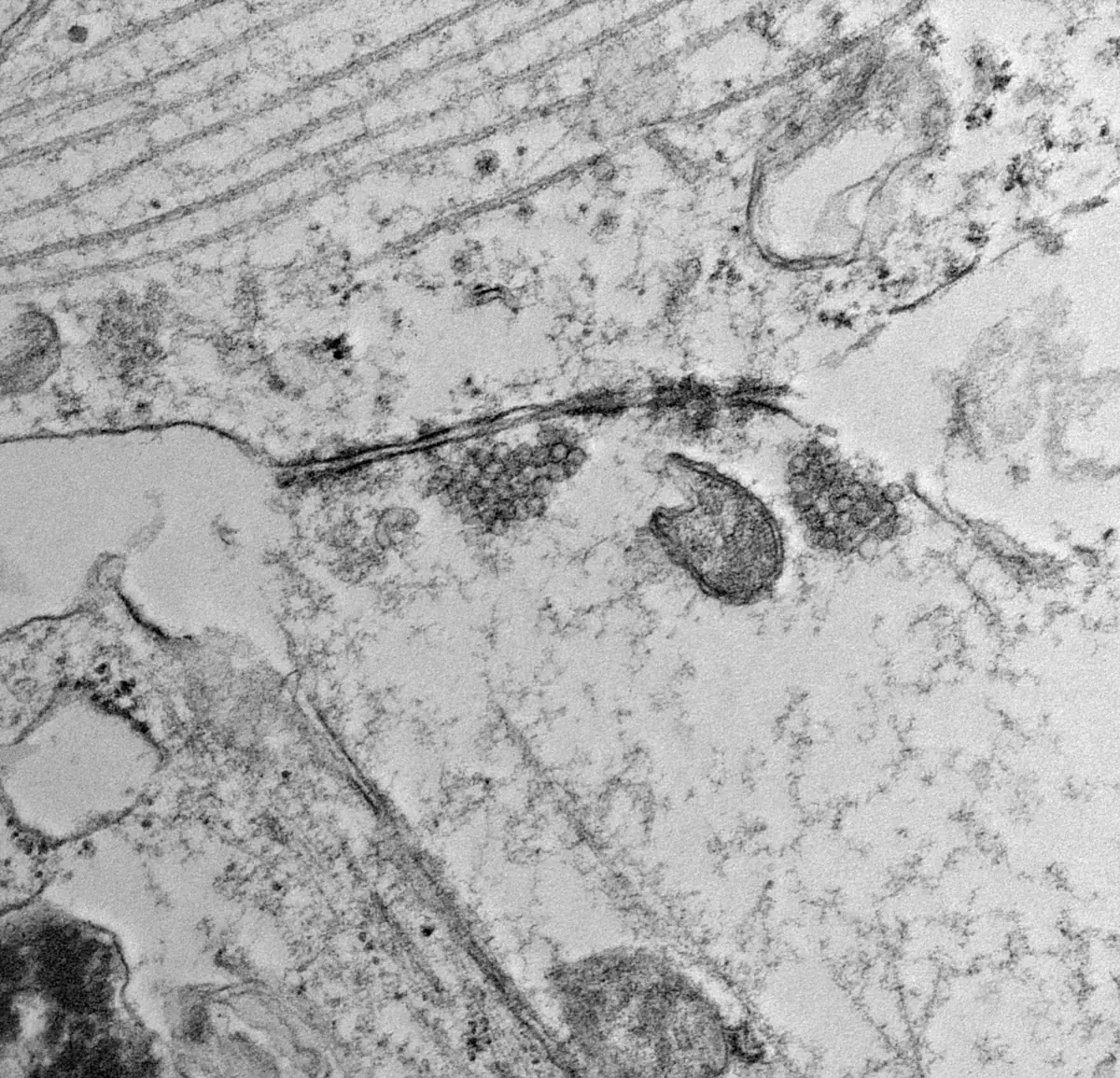
Synapse · Electron microscopy
KIBRA-Derived Therapeutics
EngramBio's lead program is based on KIBRA, a synaptic protein essential for learning and memory. Our KIBRA-derived peptide has been shown to repair synaptic plasticity, reverse synapse loss, and reverse memory deficits in disease-relevant models. We evaluate therapeutic efficacy using human iPSC-derived neurons, electrophysiology, and behavioral studies in mouse models.
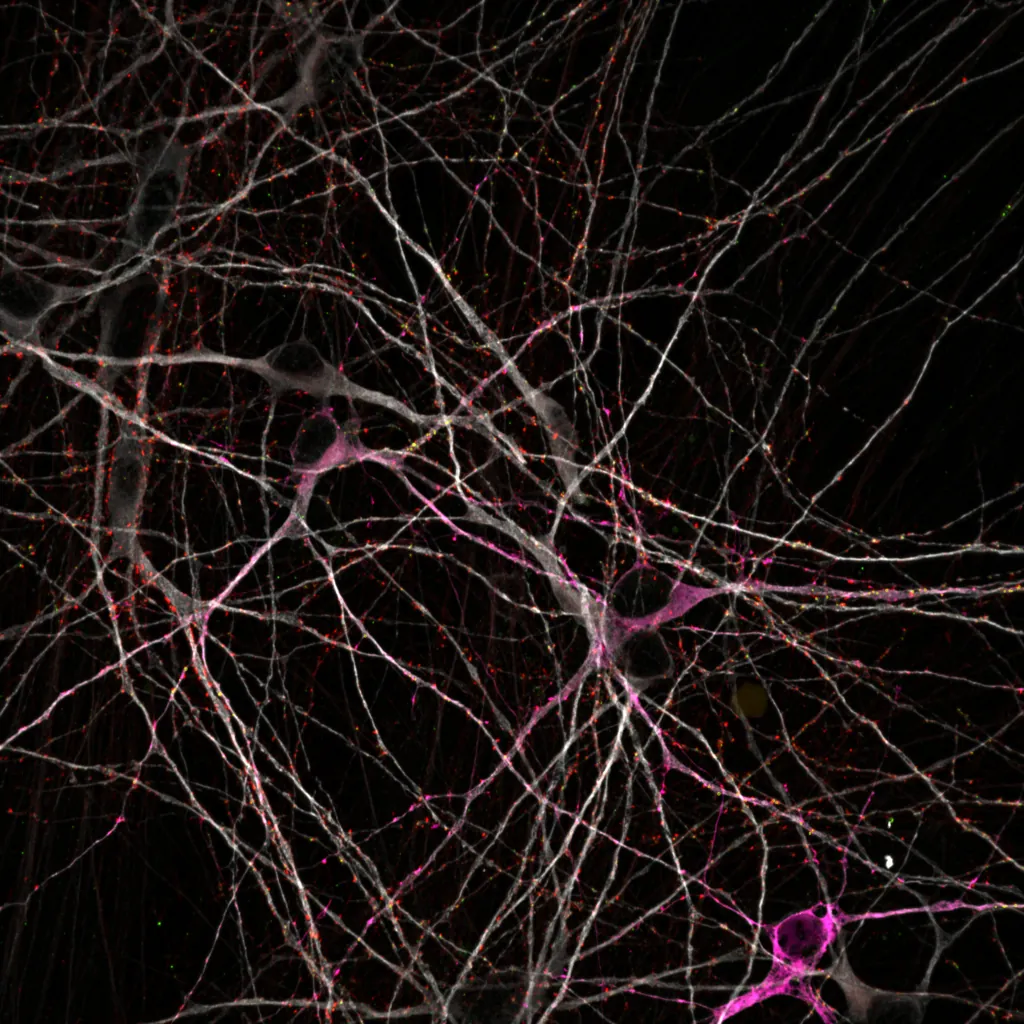
Neuron · Confocal
Advancing Synapse Repair
By integrating rigorous mechanistic biology with computationally driven drug optimization and clinically relevant biomarkers that reflect synapse health and function, EngramBio is advancing a new class of synapse repair therapeutics. These treatments will be designed to preserve memory and improve outcomes for patients experiencing memory loss.
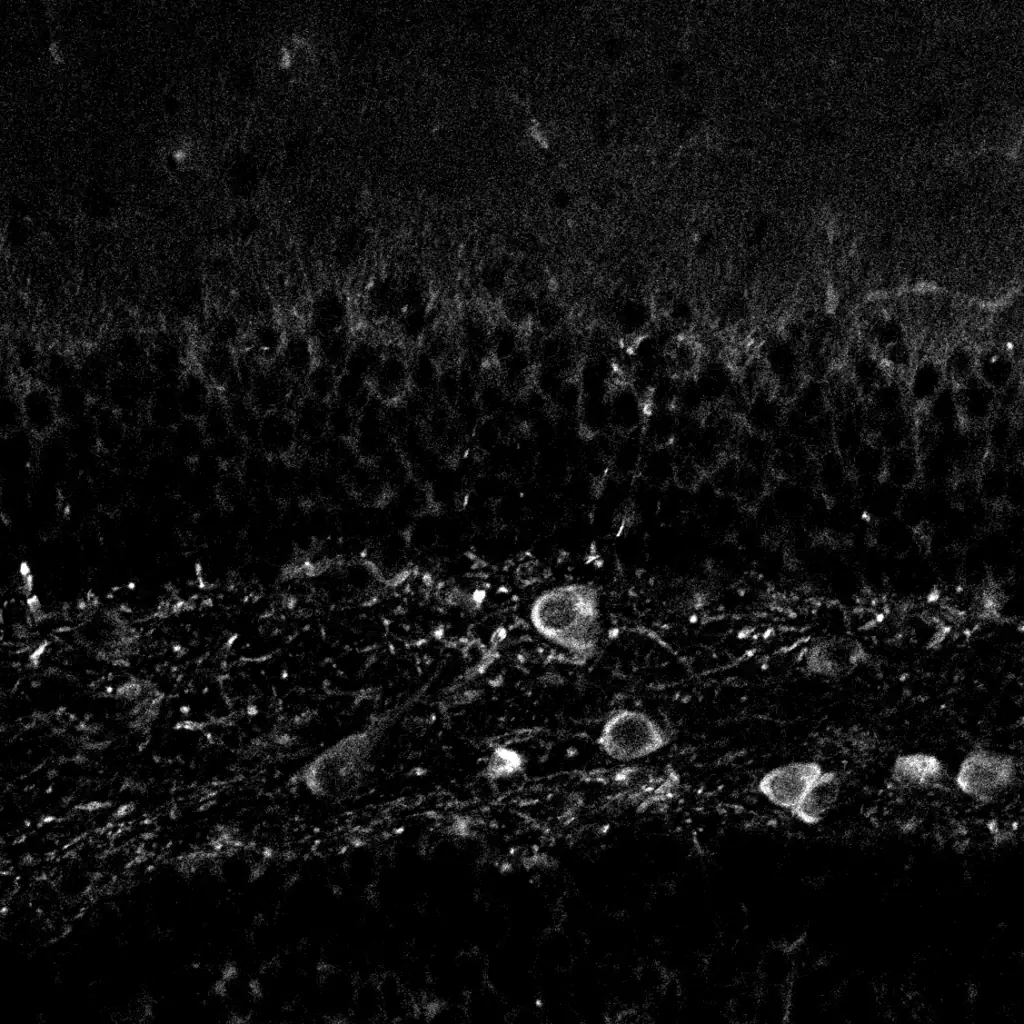
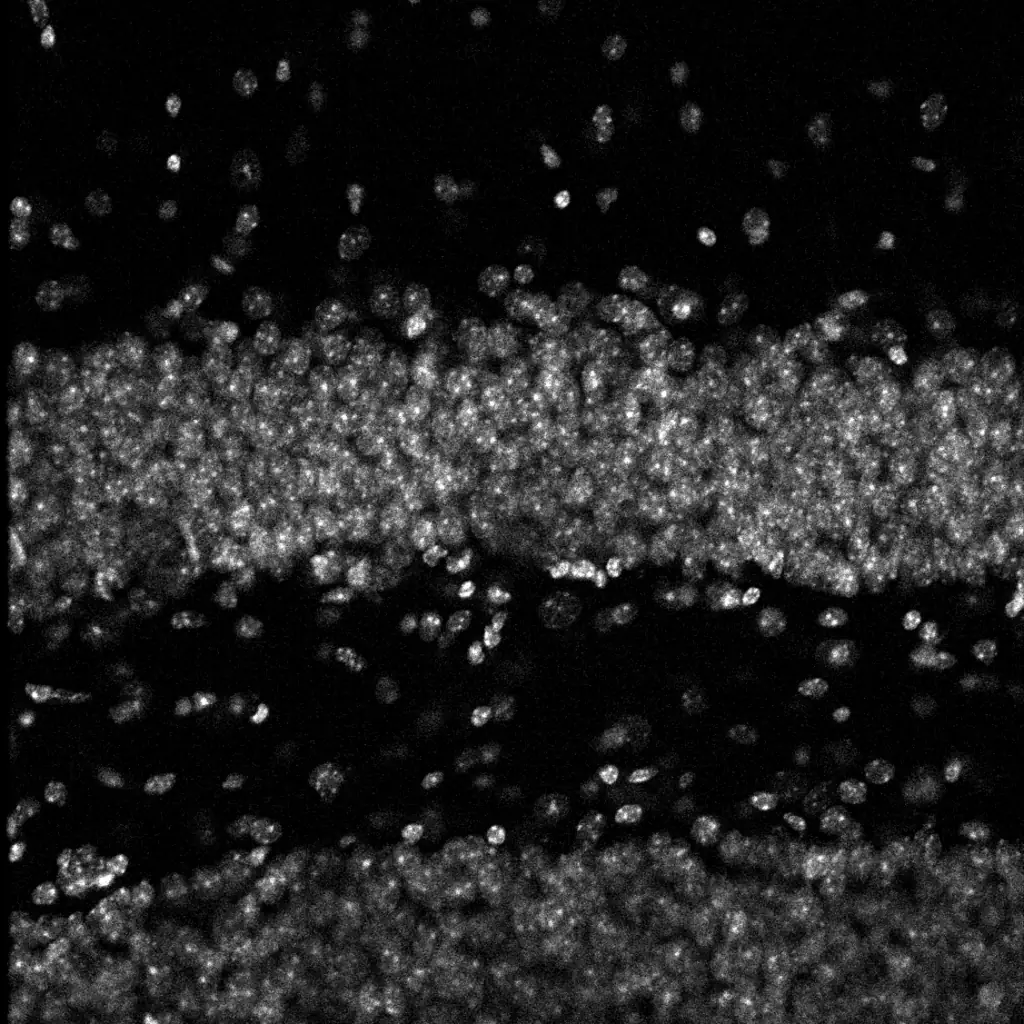
Hippocampus · Confocal

Peptide Engineering
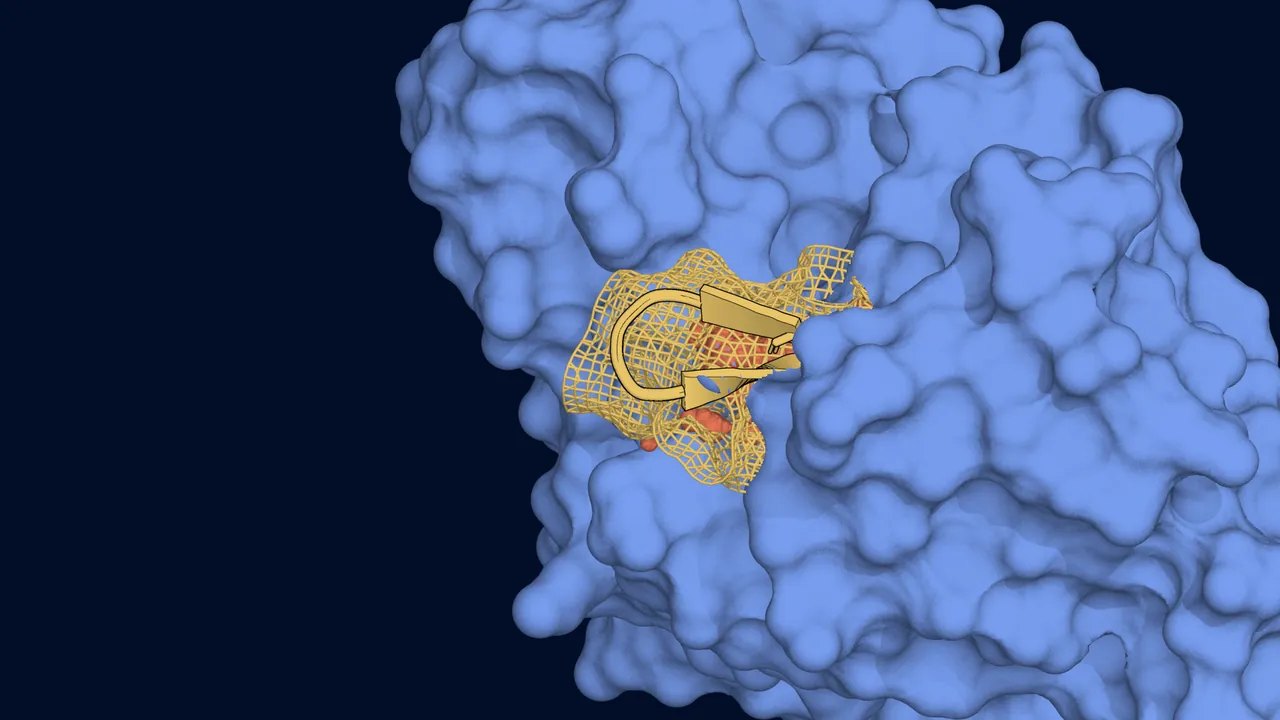
Therapeutic peptides can engage targets that small molecules cannot reach and offer biologic-like specificity, but their clinical translation is hard: native peptides are degraded in minutes by brain peptidases. With our computational tools, every candidate is ranked simultaneously on binding-mode preservation, predicted brain stability, and drug-like properties. Promising candidates are confirmed under physics-based molecular dynamics and free-energy calculations, then handed off to wet-lab validation.
Molecule · Computational model Illustrative
References
- Pareja-Navarro KA, King CD, Kauwe G, et al. Tau oligomers modulate synapse fate by eliciting progressive bipartite synapse dysregulation and synapse loss. Mol Neurodegener. 2026;21(1):13. doi:10.1186/s13024-026-00928-2 (opens in a new tab)
- Kauwe G, Pareja-Navarro KA, Yao L, et al. KIBRA repairs synaptic plasticity and promotes resilience to tauopathy-related memory loss. J Clin Invest. 2024;134(3):e169064. doi:10.1172/JCI169064 (opens in a new tab)